Destination deep-dive
Access, logistics, history and the operational detail behind the destinations — the layer beneath the tourism-character summaries on each destination page. Written for agents and consultants briefing a client.
Kruger National Park & the Greater Kruger.
Open the full Kruger & Greater Kruger guide → for the complete access notes, gate-by-gate detail and camp-by-camp character behind the summary below.
The Greater Kruger Area refers to the "Kruger to Canyon" region — Kruger National Park and all surrounding private game reserves, including the Blyde River Canyon Reserve, stretching across three of Southern Africa's biomes: grasslands, Afro-montane forests and the savanna of the lowveld. Kruger is not one safari product: it is a public national park and a belt of private reserves alongside it, and together they cover every budget and style of safari in South Africa. Blyde River Canyon Nature Reserve is a provincial nature reserve protecting the canyon itself — a scenic, non-wildlife add-on reached from Hazyview or Hoedspruit (see the Panorama Route, below), not a private game reserve like Sabi Sand or Timbavati.
Overview: one region, two safari experiences
Kruger National Park (KNP) is the huge, publicly accessible park. It offers self-drive, guided drives, bush walks, wilderness trails, 4x4 trails and a wide range of accommodation, from camping to private bush lodges. The Greater Kruger is a collection of private and community reserves along the park's western boundary — among them Sabi Sand, Manyeleti, Timbavati and Klaserie. Many have removed their internal fences with Kruger, so wildlife moves freely across one vast ecosystem. These reserves offer private lodges, specialist guides, off-road driving and, in many cases, night drives and walking safaris. The two are complementary, not competing: Kruger is the great public wilderness; the Greater Kruger is the great private safari experience. A combination works very well — a few nights self-driving in KNP, then a short stay in a private reserve.
| Kruger National Park | Greater Kruger (private reserves) | |
|---|---|---|
| Access | Public; gate entry, conservation fee | Private; lodge guests only |
| Cost | Low to moderate | Moderate to ultra-luxury |
| How you travel | Your own vehicle, or a guided SANParks drive | Lodge game-drive vehicle with a ranger and tracker |
| Off-road driving | No, tar and gravel roads only | Yes, in most reserves |
| Night drives and walks | Guided, through SANParks | Standard at most lodges |
| Sightings | Shared with other vehicles | Typically fewer vehicles per sighting |
| Accommodation | Camps, tents, huts, bush lodges | Lodges, villas and tented camps, often all-inclusive |
| Best for | Independent, budget-minded and adventurous travellers; families | First-timers wanting guiding, honeymooners, photographers |
Why Kruger?
Kruger combines wilderness on an African scale with real accessibility and a safari for every budget. Almost 20,000 km², stretching about 400km from south to north, it was established in 1898 and is one of Africa's great conservation landscapes. SANParks records roughly 148 mammal species and more than 500 bird species, plus hundreds of tree, reptile, amphibian and fish species. On a quiet day, especially in the north, it is possible to drive for hours through changing ecological zones and barely see another vehicle.
Options for every traveller: self-drive is the most affordable and flexible way to experience the park; SANParks runs guided sunrise, sunset and night drives, bush walks and bush breakfasts or dinners; and the private reserves of the Greater Kruger next door offer the full luxury, guided safari. The south is lush, the central plains are open, and the north is remote and wild (see Regions, below).
The Big Five and much more: lion, leopard, elephant, rhino and buffalo are all here, but a safari is not a tick-list. Wild dog, cheetah, hyena, giraffe, zebra, hippo, crocodile, honey badger, pangolin, African wild cat, civet, serval and extraordinary birdlife can be just as rewarding. Riverine vegetation, rocky areas and abundant prey make Kruger excellent leopard habitat, and for serious photographers leopard is one of the main reasons to visit. Kruger also remains one of South Africa's important strongholds for African wild dog — watching a pack hunt, rest or play is among the great safari experiences.
Birdlife and the Birding Big Six: SANParks highlights the Birding Big Six — ground hornbill, kori bustard, lappet-faced vulture, martial eagle, Pel's fishing owl and saddle-billed stork. For dedicated birders, Kruger is a destination in its own right.
Landscapes: the south is lush woodland with strong concentrations of wildlife; moving north brings river systems, open savanna, granite landscapes, baobabs, fever trees and bushveld; the far north is mopane woodland, seasonal rivers, rocky hills and waterholes, and feels considerably more remote and wild.
History and culture: Kruger holds hundreds of archaeological and cultural heritage sites, including rock art and important sites such as Thulamela and Masorini — archaeology, anthropology and history alongside the wildlife.
Affordability: Kruger is widely regarded as one of the best-value Big Five destinations in Africa. SANParks camps are the cheapest way in, camping and satellite camps cost less still, and private lodges are there only if you want to step up.
Kruger National Park accommodation
SANParks runs 12 main rest camps, 5 bushveld camps and 4 satellite camps, plus private-use bush lodges. This is the most affordable way to sleep inside the park, and it suits self-drive travellers best. The large rest camps have electricity, a shop, braai and communal kitchen facilities, a restaurant or cafeteria and a first-aid centre; most also have a laundry and several have a pool or fuel station.
| Region | Rest camps |
|---|---|
| South | Berg-en-Dal, Crocodile Bridge, Lower Sabie, Pretoriuskop, Skukuza |
| Central | Orpen, Satara, Olifants |
| North | Letaba, Mopani, Shingwedzi, Punda Maria |
Camp highlights: Skukuza is the largest camp and park headquarters, with a golf course, landing strip and several restaurants. Lower Sabie sits on the perennial Sabie River, with safari tents and an excellent river view. Satara is on the open central plains, in prime lion and cheetah country. Berg-en-Dal is one of the newer camps, with modern brick bungalows that suit families. Crocodile Bridge is one of the smallest rest camps, beside the Crocodile River. Letaba sits on a sweeping bend of the Letaba River and is home to the Elephant Hall museum. Punda Maria, the northernmost camp, is in the Sandveld and often called the park's botanical garden.
The 5 bushveld camps are smaller, quieter and more private, with around 15 units or fewer. There are no shops or restaurants, so you self-cater, and access is restricted to overnight guests: Bateleur (the oldest and smallest, with two nearby waterholes), Biyamiti (on the Biyamiti River in the south), Shimuwini (the most modern, rebuilt after the floods of 2000), Sirheni (on the northern plains in mopane veld by Sirheni Dam, great for birding) and Talamati (in the central west).
The 4 satellite camps are very small and basic, and the cheapest way to sleep in the park. They rely on a nearby main camp for supplies: Malelane (linked to Berg-en-Dal), Maroela (linked to Orpen, on the Timbavati River), Tamboti (linked to Orpen) and Balule (linked to Satara).
Bush lodges are private-use camps booked as a whole by a group, with no reception office. SANParks lists Kruger Shalati, Kruger Untamed: Satara Plains Camp and Kruger Untamed: Tshokwane River Camp; older options such as Boulders and Roodewal have no facilities or guided activities and suit self-sufficient groups.
| Type | What it is | Budget level |
|---|---|---|
| Camp site / caravan site | Pitch at a main rest camp, with shared ablutions | Lowest |
| Hut | Basic, simple shelter | Lowest |
| Safari tent | Furnished walk-in tent, some with kitchen | Low to moderate |
| Bungalow, rondavel or chalet | Standard en-suite unit, often with a kitchen | Moderate |
| Family or guest cottage | Multi-bedroom, with a kitchen | Moderate to higher |
| Bushveld camp cottage | Small, private, self-catering | Moderate |
| Satellite camp unit | Small and basic | Low |
| Bush lodge | Whole private camp for a group | Higher |
| Private lodge (outside SANParks) | Full service, often all-inclusive | Highest |
Booking tips: bushveld camps have very few units, so book early; satellite camps and camping are the cheapest options; and rates and availability change, so check sanparks.org before quoting.
Regions, self-drive or guided, and things to do
Kruger can be done independently on a modest budget, on guided SANParks activities, or in a private reserve, and the region you choose changes the experience.
| Region | Character | Camps | Best for |
|---|---|---|---|
| South | Lushest woodland, highest wildlife concentrations, closest to Johannesburg; the busiest area | Skukuza, Lower Sabie, Berg-en-Dal, Crocodile Bridge, Pretoriuskop; Biyamiti bushveld camp | First visits, short stays, Big Five, leopard |
| Central | Open plains and rivers; strong predator country | Satara, Orpen, Olifants; Talamati bushveld camp | Lion, cheetah, hyena, big herds |
| North | Remote and quiet; mopane woodland, baobabs, granite landscapes | Letaba, Mopani, Shingwedzi, Punda Maria; Shimuwini, Sirheni bushveld camps | Elephant, birding, solitude, repeat visitors |
| Self-drive | SANParks guided | Private reserve | |
|---|---|---|---|
| Cost | Lowest | Low to moderate | Highest |
| Freedom | Total; your pace, picnic sites, hides | Fixed schedule and routes | Lodge schedule, off-road access |
| Expert interpretation | None unless you add it | Yes | Yes, ranger and often a tracker |
| Night drives | Not allowed in your own vehicle | Yes | Yes |
| Best for | Independent travellers, families, repeat visitors, budget travellers | First-timers who want a guide at a low price | Luxury travellers, honeymooners, photographers |
A practical approach is to self-drive for most of the stay and add a few guided drives or a walk — an expert's eyes without a private-lodge commitment.
Things to do: sunrise and sunset game drives with professional guides; self-drive stops at picnic sites, hides, waterholes and viewpoints; guided walks focused on tracks, plants, insects, birds and small mammals rather than only big animals; multi-day wilderness trails for the more adventurous; specialist 4x4 and eco-trails; excellent birding throughout the park; bush breakfasts and bush dinners where available; golf at Skukuza, surrounded by wildlife habitat; heritage sites including Thulamela, Masorini and rock-art sites; and photography suited by the park's scale and variety.
Safari experiences by budget
A traveller's safari style in Kruger can move across a wide range, from a self-drive and a satellite camp to a full-service private lodge in the Greater Kruger next door.
| Experience | What it is | Budget level |
|---|---|---|
| Self-drive safari | Your own car, picnic sites, hides, waterholes | Lowest |
| Camping or satellite camp stay | Basic, with wildlife on your doorstep | Lowest |
| Guided sunrise, sunset or night drive | Open vehicle with a ranger | Low to moderate |
| Guided bush walk | Tracks, plants, birds, small mammals | Moderate |
| Bush breakfast or bush dinner | A meal out in the wild | Moderate |
| Bushveld camp stay | Small, private, self-catering | Moderate |
| Wilderness or 4x4 trail | Multi-day, adventurous | Moderate to higher |
| Private reserve lodge (Greater Kruger) | Full service, all-inclusive, off-road, night drives | Higher to highest |
Keeping costs down: travel in the shoulder months (April, May, September, October) for good game viewing at lower rates; choose camping, huts or satellite camps for the cheapest overnight stays; self-cater using the braai and kitchen facilities; and stay 3 to 5 nights rather than rushing — SANParks itself advises slower travel with regular stops over covering huge distances.
The Greater Kruger: where the fences disappear
The Greater Kruger is a collection of private, community and other protected areas adjoining the national park, many of which have removed their internal fences so wildlife can move across a far larger ecosystem. It is not a single reserve, and each has its own character. In many of the private reserves, vehicles can leave established roads, approach wildlife from different angles, run night drives, offer walking safaris and spend more time at a sighting — the result is a more intimate experience than inside the national park itself.
The affordable end of the Greater Kruger: the Greater Kruger is not only ultra-luxury. Manyeleti, Klaserie, Balule and Umbabat all have smaller, more modest lodges, and a short stay of two or three nights in one of these reserves can be a good middle step between a self-drive trip and a premium lodge.
The reserves
Sabi Sand, Timbavati, Klaserie, Balule, Manyeleti, Umbabat and Thornybush between them make up the private side of the Greater Kruger — see each reserve's individual lodges and fuller character notes on the South Africa destination page.
Sabi Sand Game Reserve
Shares a 50km unfenced border with Kruger and covers 65,000 hectares, watered by the Sand River (50km through the reserve) and the Sabie River along its southern boundary — a checklist of 330+ tree species, 500+ bird species and 145+ mammal species. An association of freehold landowners sharing a common environmental management programme, and South Africa's flagship luxury safari destination — famous above all for leopard. Access: seat-on-charter flights (a shared light aircraft on a fixed daily schedule, not a commercial airline service) run daily between O.R. Tambo and the lodges; commercial flights into KMIA or Eastgate connect by road transfer, self-drive or charter hop. By road, three entry gates — Shaws, Newington (5.5 hours from Johannesburg) and Gowrie (7 hours) — with a gate entrance fee and restricted hours (confirm current rates and times with your lodge).

Timbavati Game Reserve
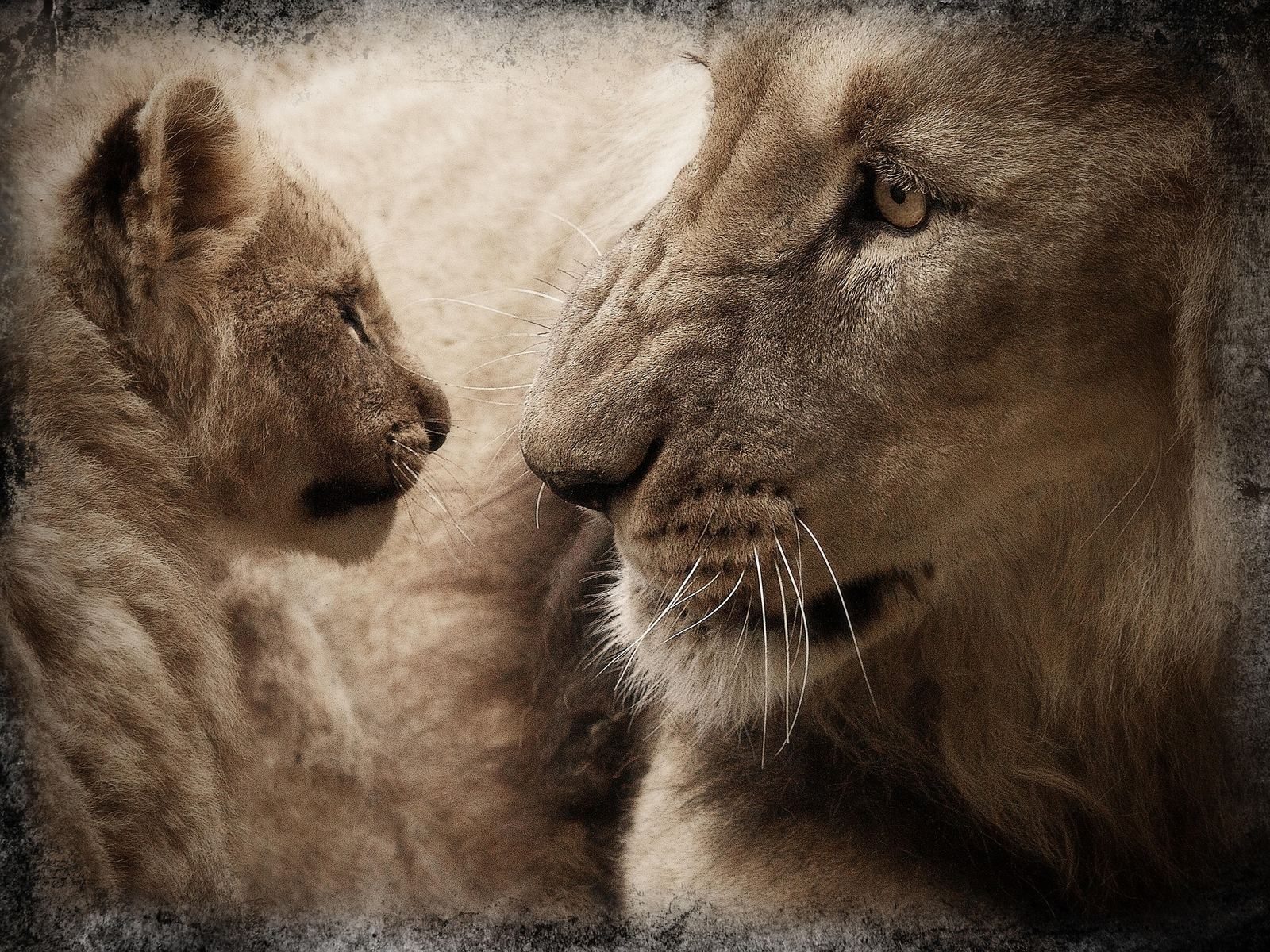
Established in 1956 by conservation-minded landowners who reclaimed degraded land; today over 50 members manage the reserve, and in 1993 the fences between Kruger and Timbavati were removed. Lies between Kruger to the east, Klaserie and Umbabat to the north, and Thornybush to the west — with only 9 lodges across more than 50,000 hectares, one of the lowest human-impact reserves in the system. Home of the White Lions of the Timbavati — a naturally occurring genetic variant, not a separate species — discovered in the mid-1970s and documented by Chris McBride. Access: daily charter flights from O.R. Tambo (sometimes with a stop at other lodges), or commercial flights into Eastgate, Phalaborwa or KMIA connecting onward. By road, the main gate sits past Eastgate Airport, roughly 5.5 hours from Johannesburg, with a gate entrance fee.
Klaserie Nature Reserve
One of the largest private reserves bordering Kruger, adjoining the Timbavati. Smaller lodges, authentic bush and fewer vehicles than Sabi Sand suit walking, photography and repeat safari travellers who have already done the flagship reserves.
Balule Nature Reserve
Part of the Associated Private Nature Reserves, centred on the Olifants River. Known for walking safaris, riverine wildlife and intimate camps — one of the more accessible entry points into the Greater Kruger.
Manyeleti Game Reserve
"Place of stars" in Shangaan — a wildlife corridor between Timbavati and Sabi Sand, with access to Orpen Gate. Lower-density safari and night drives make it one of the more affordable ways into Greater Kruger luxury.
Umbabat Private Nature Reserve
Remote wilderness with a strong conservation focus, suited to intimate camps, walking and photography.
Thornybush Nature Reserve
On the western side of the Greater Kruger, known for its range of luxury lodges — a strong choice for couples, families, honeymoons and private-vehicle safaris.
| Reserve | Known for | Best for |
|---|---|---|
| Sabi Sand | The flagship luxury destination; famous for leopard; the Sand River runs through it | First-time luxury safari, honeymoons, photography, leopard, ultra-luxury |
| Timbavati | Wilderness feel and the white lions (a naturally occurring genetic variant, not a separate species) | Big Five, wilderness, families, walking, photography |
| Klaserie | Smaller lodges, authentic bush, fewer vehicles; adjoins the Timbavati | Walking, photography, repeat safari travellers |
| Balule | Part of the Associated Private Nature Reserves, around the Olifants River | Walking, riverine wildlife, intimate camps |
| Manyeleti | "Place of stars" in Shangaan; a wildlife corridor between Timbavati and Sabi Sand | Lower-density safari, night drives, more affordable luxury, access to Orpen Gate |
| Umbabat | Remote wilderness and conservation focus | Intimate camps, walking, photography |
| Thornybush | Western Greater Kruger; known for its range of luxury lodges | Couples, families, honeymoons, private vehicles |
Principal attractions beyond the game drive
The Panorama Route (Blyde River Canyon, waterfalls, Bourke's Luck Potholes, God's Window, Pilgrim's Rest); animal rehabilitation centres including the Hoedspruit Endangered Species Centre, Moholoholo Wildlife Rehabilitation Centre and Daktari; the Khamai Reptile Park; birdwatching across 500+ species; elephant-back safaris, horse trail safaris, hot air ballooning and scenic flights.

Access & transfers
Air: commercial and charter flights serve Kruger Mpumalanga International (KMIA), Hoedspruit (Eastgate) Airport and Phalaborwa Airport, plus numerous private airstrips. Road: the entire region is served by an excellent tar/paved network — many travellers self-drive from Johannesburg or fly into one of the three gateway airports and rent a car. The Kruger Shuttle runs an affordable, reliable daily transfer from Johannesburg to the Timbavati, Klaserie, Balule, Kapama, Thornybush, Karongwe and Makalali reserves and Hoedspruit itself.
Gateway towns: Hazyview, Hoedspruit & Phalaborwa
Hazyview, Hoedspruit and Phalaborwa are the three main gateways, and both Hazyview and Hoedspruit give access to the Panorama Route.
Hazyview — gateway to the southern Panorama Route. A principal gateway to the southern Kruger region, serving travellers who enter through Phabeni, Numbi or Kruger Gate. It sits in one of Mpumalanga's most beautiful landscapes and is the southern base for the Panorama Route, with Sabie, Graskop, God's Window, Bourke's Luck Potholes, the Three Rondavels, Blyde River Canyon, waterfalls and forests all nearby, plus adventure operators such as Skyway Trails and Elephant Whispers. Best for Kruger plus the Panorama Route, adventure and families.
Hoedspruit — the safari base of the central Lowveld. Sits between the Greater Kruger and the Blyde River Canyon, making it an exceptionally useful base and the northern base for the Panorama Route. Timbavati, Klaserie, Balule, Thornybush and many private reserves lie around it, along with wildlife rehabilitation centres. Safari, the Blyde River Canyon and Panorama Route, wildlife rehabilitation experiences, hot-air ballooning (weather permitting), horse riding, walking safaris and photography are all on offer. Best for luxury safari, the Greater Kruger, families, wildlife, adventure and conservation.
Phalaborwa — the northern gateway. The main town near Phalaborwa Gate, with direct access to central and northern Kruger, and well placed for the Olifants River and the northern part of the Greater Kruger. Northern Kruger, Letaba, Olifants, mopane veld, birding, baobabs and cultural experiences are the draw. Best for longer safaris, birding and budget-to-luxury access.
| Hazyview | Hoedspruit | Phalaborwa | |
|---|---|---|---|
| Region | Southern Kruger | Central Lowveld | Northern and central Kruger |
| Main gates | Phabeni, Numbi, Kruger | Private reserve gates (various); Kruger's Orpen Gate is reachable via Manyeleti for a KNP side-trip | Phalaborwa |
| Panorama Route | Yes, from the south | Yes, from the north | Not directly |
| Strength | Kruger plus the Panorama Route and adventure | Luxury Greater Kruger safari | Remote northern Kruger and birding |
| Best for | Families, self-drive, adventure | Luxury, honeymoons, conservation | Birders, longer self-drive, budget access |
The Panorama Route
One of South Africa's most scenic self-drives — a roughly 160km route through the Drakensberg escarpment in Mpumalanga, centred on the Blyde River Canyon. It links a string of viewpoints, waterfalls, forests and historic mining towns, and sits right beside Kruger; both Hazyview and Hoedspruit give direct access to it. The R532 is its most popular stretch, running from Sabie past the waterfalls to God's Window, the Blyde River Canyon, the Three Rondavels and Bourke's Luck Potholes, with the small mountain town of Graskop guarding the route as the hub for adventure activities.
Why visit: dramatic scenery — Blyde River Canyon is one of the largest canyons in the world and is known as the world's greenest canyon, with sheer edges dropping around 800m to the river; a perfect contrast to safari, with forests, waterfalls, escarpment views and cool mountain air against the Lowveld bushveld; easy to combine with Kruger, adding two or three days of non-wildlife highlights to a trip; good for families and adventure, with hiking, horse riding, mountain biking, canyon activities and viewpoint walks; strong for photography; and a dose of culture and history at Pilgrim's Rest and the area's gold-rush heritage.
| Stop | What to expect |
|---|---|
| God's Window | A viewpoint on the escarpment edge, looking over the Lowveld hundreds of metres below; walk in the mist forest nearby |
| The Pinnacle | A quartzite rock spire rising from the forest, close to God's Window |
| Wonder View and Lowveld View | Further escarpment viewpoints |
| Bourke's Luck Potholes | Giant potholes carved where the Blyde and Treur rivers meet, marking the start of the Blyde River Canyon; walk the bridges over the potholes (allow about two hours) |
| Three Rondavels | Three huge dolomite rock spirals rising from the far wall of Blyde River Canyon; one of the most iconic views in South Africa |
| Lisbon Falls | The area's highest waterfall, about 92m |
| Berlin Falls | About 42m |
| Lone Creek Falls | About 70m, in a forest setting |
| Mac Mac Falls | Another of the route's arresting waterfalls |
| Graskop | Mountain town with adventure activities, craft shops and cafes |
| Pilgrim's Rest | Historic gold-rush village |
| Echo Caves, near Ohrigstad | A lesser-known stop, with caves extending far into the limestone |
Access: from Hazyview (south), the natural approach is via Sabie and Graskop, working north to the canyon and on to the Lowveld; from Hoedspruit (north), the route sits close to Blyde River Canyon and can be done in the other direction; a loop drive up from Hazyview, finishing at Hoedspruit and continuing into the Greater Kruger, works well combined with a safari.
Practical tips: there is no public transport along the route, so hire a car or join a tour; wear comfortable walking shoes and bring sunscreen, a hat and water; winter (June to August) is the most popular time, with cooler, drier weather, though mist can hide views at God's Window at any time of year, so start early; allow a full day at minimum, and ideally two or three nights to enjoy it properly; and check current entrance fees locally rather than relying on an old published figure — fees at stops such as Bourke's Luck Potholes are modest but do change.
When to go
Kruger has a good safari season all year, and the right time depends on what the traveller values most — easy game viewing in the dry season, or lush scenery, birds and lower rates in the green season.
Dry season (April to September): traditionally the best game-viewing period. Vegetation thins out and natural water becomes scarce, so animals concentrate around rivers and waterholes; days are warm and dry, nights can be very cold. Best for the Big Five, leopard, elephant, rhino, predators, photography, walking and comfortable daytime temperatures. May to September is the recommended period for a first safari.
Green/wet season (October to March): summer rains transform the Lowveld into a lush, vibrant landscape. Birdlife is excellent, newborn animals appear and migrant species return. The trade-off is that thicker vegetation can make wildlife harder to spot, and animals are more dispersed because water is plentiful — but summer is not a poor safari season: for photographers, birders and returning travellers it can be spectacular, and lodge rates are often lower.
| Month | Character |
|---|---|
| January | Hot, humid and green; afternoon storms; newborn animals; peak birding |
| February | Hot and lush; very good birding; dense vegetation |
| March | Late summer; rains easing; green and quiet |
| April | Transition; cooling and drying; good value |
| May | Dry season begins; cooler; vegetation thinning; excellent value |
| June | Dry and cool; cold mornings; good game viewing |
| July | Coldest and driest; excellent game viewing; busy |
| August | Dry; animals concentrate at water; busy |
| September | Warming; peak game viewing as water becomes scarce; good value |
| October | Hot; first rains and storms; birds return; fewer visitors |
| November | Early green season; many births; birdlife building |
| December | Hot and green; school holidays; birdlife and babies |
Best months for affordability: the shoulder months of April, May, September and October offer a good balance of game viewing and lower rates. The green season, from November to March (excluding school holidays), is often the most affordable time overall.
How long to stay, the ideal safari day & specialist experiences
Plan 3 to 5 nights in Kruger National Park and 3 to 4 nights in the Greater Kruger as a stand-alone stay, with 4 nights ideal for a luxury safari. As a shorter component within a longer multi-destination itinerary, 2 to 3 nights works as a "middle step" between a self-drive trip and a premium lodge stay — the table below sets out the one rule the sample journeys below follow.
| Destination | Recommended stay | Why |
|---|---|---|
| Kruger National Park | 3 to 5 nights | A shorter stay is possible, but the park is enormous and trying to see everything defeats the purpose. SANParks advises slower travel with regular stops. |
| Greater Kruger, as the main safari component | 3 to 4 nights minimum; 4 ideal for luxury | Time to settle into the rhythm of the bush instead of chasing sightings. |
| Greater Kruger, as one stop in a longer itinerary | 2 to 3 nights | A workable "middle step" or taster when Kruger is combined with other destinations — see the mid-range sample journey below. |
| Panorama Route | 1 full day minimum; 2 to 3 nights ideal | Gives time for the viewpoints, waterfalls and towns. |
The ideal Greater Kruger safari day: an early wake-up, coffee or tea and a morning game drive, followed by breakfast and time to relax by the pool or at the spa; lunch, a siesta, reading, photography or an optional cultural or conservation experience at midday; high tea, an afternoon game drive and a sundowner; and a night drive, dinner, fireside and stargazing in the evening. This is a fundamental difference between a luxury private-reserve safari and a self-drive Kruger trip — at a private lodge, the lodge itself becomes part of the destination.
| Safari | Where it works best |
|---|---|
| Leopard | Sabi Sand in particular |
| Wild dog | Kruger and several adjoining reserves |
| Photography | Private vehicle with a specialist photographic guide |
| Walking | Timbavati, Klaserie, Balule and other reserves; also SANParks guided walks |
| Birding | Excellent year-round, with summer the most productive |
| Family | Private-use villas and family-friendly lodges; self-drive camps with pools |
| Honeymoon | Private suites, pools, bush dinners and spa experiences |
| Conservation | Rhino conservation, wildlife rehabilitation and community initiatives |
| Wellness | Spa, safari and private villa |
| Gastronomic | Luxury lodges with outstanding food and wine programmes |
What travellers need to know
Travellers should plan for malaria prevention, long distances and the choice between self-drive and a private safari.
Malaria: Kruger and the surrounding Lowveld are malaria areas. SANParks advises visitors to consult a doctor or travel-health professional about prevention before travelling.
Distances matter: one of the easiest mistakes is underestimating the size of the region. Johannesburg to Hazyview, Hoedspruit or Phalaborwa are all substantial journeys. Travellers who value time should consider scheduled flights plus private transfers rather than defaulting to a long road transfer; self-drive travellers on a budget should plan the drive as part of the trip, with a stop on the way.
Self-drive or private safari? Self-drive Kruger suits independent travellers, families, repeat visitors, budget-conscious and adventurous travellers. A private reserve suits luxury travellers, first-time safari visitors, honeymooners, photographers and families wanting a private vehicle and maximum guiding.
How Kruger differs from Botswana: the two destinations suit different travellers rather than competing head-to-head.
| Botswana | Kruger | |
|---|---|---|
| Signature | Water and wilderness: the Okavango Delta, desert, mokoro, Chobe | Big Five, predators, diverse habitats |
| Density | Low-density, remote | Easy access, wide choice |
| Best for | Travellers seeking remote wilderness and a very distinctive ecosystem | Travellers wanting a classic Big Five safari |
| Access and cost | Generally higher cost, fly-in | Wide range of budgets, drive or fly |
Kruger is arguably easier for the traveller who wants a classic African safari with exceptional Big Five opportunities, while Botswana is particularly powerful for remote wilderness — many itineraries combine both.
Sample journeys
Kruger fits into itineraries at every budget, from a self-drive trip with the Panorama Route to a luxury Southern Africa journey.
Budget-friendly: self-drive Kruger and the Panorama Route (about 6 to 8 nights). Hazyview or Graskop, 2 to 3 nights, for the Panorama Route; Kruger National Park southern camps, 2 nights, self-drive; Kruger National Park central or northern camps or a bushveld camp, 2 to 3 nights. Optional: add a guided sunrise drive or bush walk.
Mid-range: Kruger plus a short private-reserve stay (about 7 to 8 nights). Panorama Route, 2 nights; Kruger National Park self-drive, 3 nights; Hoedspruit and a Greater Kruger reserve such as Manyeleti, Klaserie or Balule, 2 to 3 nights.
Cape Town + Kruger (10 to 11 nights). Cape Town, 4 nights; Winelands, 2 to 3 nights; Greater Kruger, 4 nights — city, wine and safari in one trip.
The greater South African journey (17 to 19 nights). Cape Town, 4 nights; Franschhoek/Winelands, 3 nights; Garden Route, 4 nights; Greater Kruger, 4 to 5 nights; Victoria Falls, 2 to 3 nights — city, wine, coast, forest, wildlife and the Falls.
South Africa to Victoria Falls to Botswana (17 to 19 nights). Cape Town, 4 nights; Winelands, 2 nights; Greater Kruger, 4 nights; Victoria Falls, 2 nights; Botswana (Okavango and Chobe), 5 to 7 nights.
Botswana.
Open charter flights, camp types, Makgadikgadi and Boteti in full →
Charter flights in Botswana
One of the least understood aspects of a Botswana safari. Due to the aircraft used, all charter companies enforce a strict luggage policy — soft-sided bags only, a total maximum usually 20kg, split between hand luggage and hold/pod. Seat on Charter (seat rate) is the standard offering, quoted subject to a minimum of two guests flying that route; guests may share the flight and make one or two stops en route, with a 20–30 minute wait before departure being normal — inter-camp charters are coordinated with the safari routine, generally operating 09:30–15:00. Private charters are also bookable, at a higher cost, flying the group directly with no other passengers.
Aircraft commonly used: Cessna 206 (single-engine, max 5 passengers); Cessna 210 (single-engine, max 4, faster, used on flights over 45 minutes); Airvan (single-engine, max 6, load-dependent); Cessna Grand Caravan (single-engine, 9–11 seats, load-dependent).
Botswana camp types
Land & water camps — found in the Okavango Delta, Moremi, Selinda/Kwando and Linyanti, plus the Chobe Riverfront: both land- and water-based activities. Land camps — activities centre on game drives and walking; found in Nxai Pan, Makgadikgadi Pans, Central Kalahari, Savuti and Chobe. Water camps — predominantly in the Okavango Delta and Moremi, activities mostly boating or mokoro plus some walking; we recommend at least two nights at a water camp on any Delta visit, and packing warm clothing for winter — it is colder than expected on the water.
Makgadikgadi Region
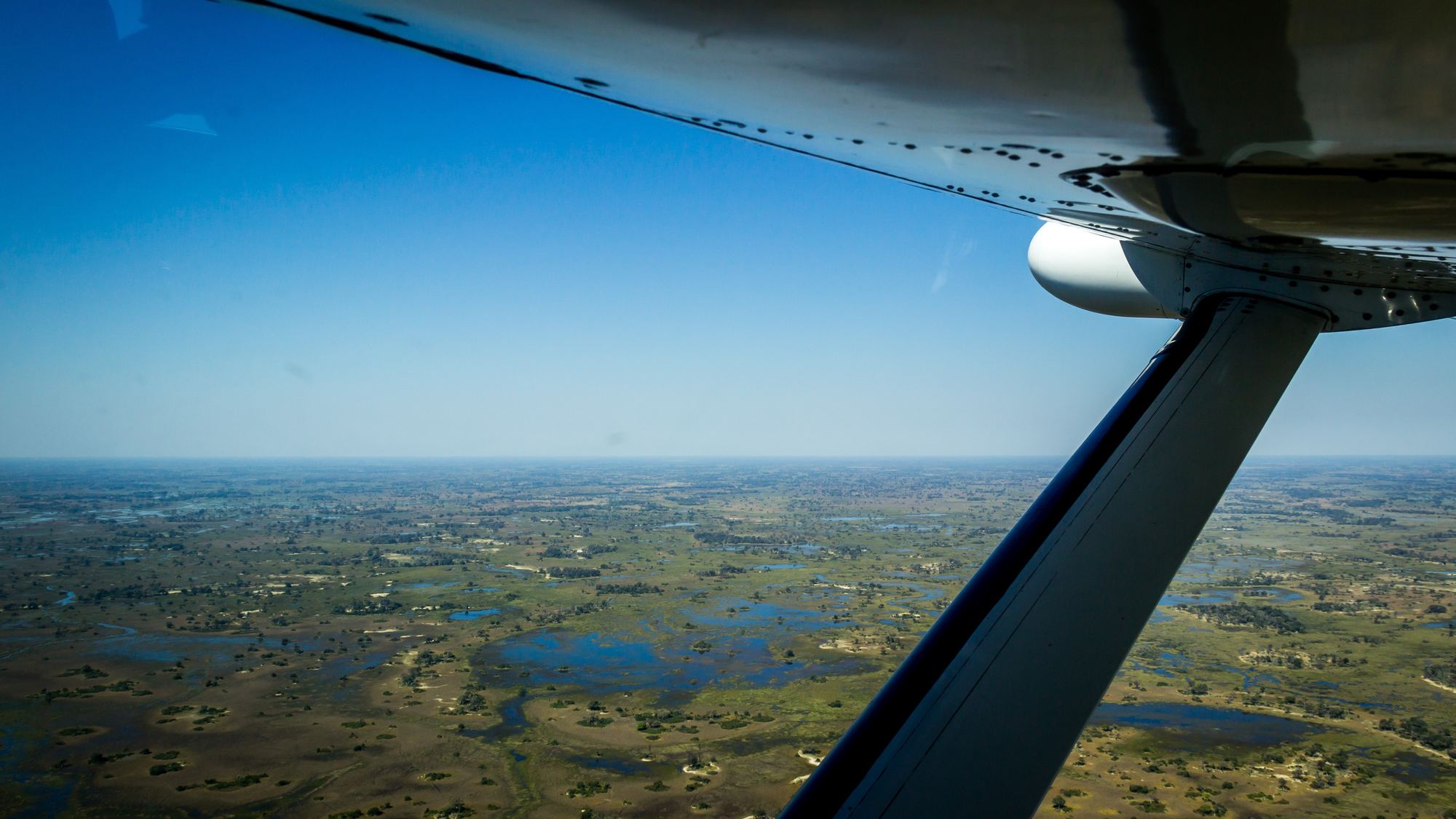
Not a single pan but many pans interspersed with sandy desert, covering 6,200 square miles in the Kalahari basin — the bed of the ancient Lake Makgadikgadi. The largest pans, Sowa and Ntwetwe, are surrounded by smaller pans; north of these lie Kudiakam, Nxai and Kaucaca Pans. The Boteti River forms the main "permanent" water, a natural western border. Landmarks include Kubu Island, a rocky granite outcrop on Sowa Pan studded with ancient baobabs, considered sacred by local communities; and Nxai Pan National Park, home to Baines' Baobabs, painted by explorer Thomas Baines in 1862 and virtually unchanged since. Signature activities: quad-biking on the open pans, San cultural walks, habituated meerkat encounters, and sleeping out under an open sky on the pan itself. Access: charter flights from Maun and most northern Botswana camps; the region can otherwise be reached by 4x4 with very little exception.
The Boteti River Region
Forms the natural western boundary of the Makgadikgadi Pans, flowing from the Okavango Delta via the Thamalakane River near Maun before terminating at Ntwetwe Pan. For much of the twentieth century the river ran dry for long stretches; stronger Delta floods in recent decades restored regular seasonal flow, transforming the area into one of Botswana's most important dry-season wildlife corridors and the endpoint of the country's "new" zebra migration, one of the longest land-mammal migrations in Africa.
 Knowledge is key
Zimbabwe & Victoria Falls.
Open Hwange and Matobo in full →
Hwange National Park
Formerly Wankie National Park, established as a game reserve by Ted Davison in 1928, a national park from 1930. Situated halfway between Bulawayo and Victoria Falls, bordering Botswana, with roads stretching roughly 480km, some closed in the rainy season. Access: charter or private flights land at Hwange Airstrip; self-drive or transfers run easily from Bulawayo or Victoria Falls — about 3.5 hours from Kasane, 2.5 hours from Bulawayo or Victoria Falls. No off-road or night driving inside the park. Fauna: up to 30,000 elephant, the full Big Five, and over 100 mammal species including zebra, cheetah, wild dog, sable and roan antelope. Flora: predominantly Kalahari sandveld, teak and mopane woodlands, dry acacia scrub, saltpans and grasslands. Park fees (checked 29 October 2026 — confirm before quoting): USD 20 per person per day (international visitors), USD 5 (local visitors). Guiding in Zimbabwe is described as among Africa's best.
Matobo Hills
"A wilderness of granite," approximately 35km from Bulawayo by road — Zimbabwe's oldest national park, established 1926 as a bequest from Cecil John Rhodes. Over 200 recorded tree species and approximately 175 bird species, 88 mammal species, 39 snake species and 16 fish species, including white rhinoceros, sable, giraffe and a dense but elusive leopard population (hyrax make up roughly half their diet in the hills). Rhino were reintroduced from KwaZulu-Natal in the 1960s and the Zambezi Valley in the 1990s; Matobo is an Intensive Protection Zone for both species. The hills hold the world's highest concentration of preserved rock paintings and art, some dating back at least 13,000 years, with shrines and sacred places still in active use. Access & fees: about 35km from Bulawayo by road; fly in to Bulawayo Airport and transfer by road. Park fees (checked 29 October 2026 — confirm before quoting) USD 15 per person per day (international), USD 5 (SADC residents).
Namibia.
Open the Zambezi Region, Skeleton Coast, Sossusvlei and Windhoek & Waterberg in full →
The Zambezi Region (Caprivi Strip)
A narrow, finger-like strip in Namibia's far northeast, covering roughly 11,000 square kilometres and touching four other countries — Angola, Zambia, Botswana and Zimbabwe — at a modest 900–1,100m altitude, markedly flatter and greener than the rest of Namibia. More than half of Namibia's buffalo and elephant populations live within this small region. Three national parks anchor it: Bwabwata (6,100 sq km, spanning the width of the strip, with the Mahango Core Area especially renowned for game density, and roughly 5,500 residents living within its boundaries under a community-integrated conservation model), Mudumu (approximately 1,010 sq km along the Kwando River, part of the 520,000 sq km KAZA transfrontier area — the largest conservation area in Africa) and Nkasa Rupara (formerly Mamili, 320 sq km of wetland between the Kwando and Linyanti, Namibia's own miniature Okavango Delta). Climate: dry season May–October is markedly better, cooler with wildlife concentrated along rivers; wet season November–April brings heat above 35°C and deteriorating roads. Getting there: Katima Mulilo, on the Zambezi, is the regional hub with a local airport served by scheduled flights from Windhoek; self-drive exploration dominates over organised touring.
Skeleton Coast
Runs roughly 500km from the Ugab River to the Kunene River on the Angolan border, covering about 16,845 sq km, proclaimed in 1971 — named for the whale and seal bones and the 1,000+ shipwrecks along this treacherous coast, including the Eduard Bohlen (1909), Dunedin Star (1942) and others. Internationally known for its population of desert-adapted lions, alongside elephant, black rhino, giraffe, springbok, gemsbok and Hartmann's mountain zebra, sustained by moisture from the Benguela Current's fog. Access: the southern section is road-accessible from Henties Bay and Torra Bay (including Cape Cross Seal Reserve); the remote northern wilderness needs a guided safari or special permit, typically a 1–2 hour charter flight from Windhoek (6–8 hours by road) — allow three to four days to properly experience it.
Sossusvlei & Namib-Naukluft
Namib-Naukluft is Africa's largest game park and the world's fourth-largest national park at 49,768 sq km, tracing to 1907's "Game Reserve No. 3," reaching its final boundaries in 1986. Sossusvlei's dunes — some reaching 300m — were sculpted by wind over millennia from sand blocking the Tsauchab River's route to the sea 50km away. Dune 45 (45km along the tarred approach road) is the most photographed and a popular sunrise climb; nearby Big Daddy is among the tallest dunes in the world (1.5–2 hour climb). Deadvlei holds a grove of centuries-old dead camel thorn trees preserved by extreme aridity. Access: tarred road to within 5km of Sossusvlei, then 4x4 or shuttle for the final sandy stretch; visitors must exit by sunset. Rainfall averages just 106mm a year.

Windhoek & Waterberg
Windhoek sits at 1,680m elevation near the country's centre — a small (population a little over 300,000), clean and relatively safe capital blending German colonial architecture (the Alte Feste, Christuskirche, Tintenpalast) with African vibrancy, functioning as the entry and exit point for most Namibian itineraries. Waterberg Plateau Park, east of Otjiwarongo, is the site of the 1904 Battle of Waterberg and, since the 1980s, one of Namibia's most important sanctuaries for endangered species — black rhino were reintroduced in 1989, and the park has restocked others across the country. Nine hiking trails range from the short Botanical Gardens Trail (2–5km) to the 42km Waterberg Wilderness Trail.
Safari activities explained.
What each activity actually involves — useful shorthand when briefing a client on what a day, or an itinerary, will include. For trip styles, getting-around logistics and tent/room types, see the full Travel Guide.
Day drives
The most common safari activity, in open-sided 4x4 vehicles seating 4–10 guests, operated by a qualified guide (often with a tracker). Camps typically offer an early-morning drive (just after sunrise, returning 9–10am) and an afternoon drive (leaving around 16:00, returning after dark).
Night drives
A large share of African wildlife is nocturnal. The same vehicles are used after dark with spotlights — lions and leopards are far more active at night, and many guests witness kills made after dark.
Boat safaris
Principally offered on the Okavango Delta, the Zambezi and the Chobe River — the Chobe is widely regarded as offering some of the best boat-based game viewing in Africa, with boat sizes from a handful of guests to over a hundred.
Mokoro safaris
Restricted to the Okavango Delta — a wooden (or fibreglass replica) canoe traditionally cut from a sausage tree. A poler pushes the mokoro silently along, allowing close encounters with wildlife.
Canoe safaris
Offered wherever camps have access to permanent water, mostly along the Zambezi — guests paddle downriver with a guide, viewing wildlife coming down to drink and an array of birdlife.
Walking safaris
Led by an armed, experienced guide, tracking on foot for an intimate, unmediated wildlife encounter — a defining activity at Mana Pools, Hwange and the Matobo Hills.
Birding
Combining a region like Kruger with another can run species counts into several hundred. Flag a client's interest in advance — they may be sharing a vehicle with less enthusiastic birders.
Fishing safaris
Mostly catch-and-release; the best fishing is on the Zambezi, home of the mighty tigerfish, with rewarding (if smaller) tigerfish also in the Okavango Delta.
Sundowners
Enjoyed at camp or out on activity at an idyllic spot the guide knows — a favourite drink in hand, watching the sun set over Africa.
Cultural interaction
Staff at camps and lodges are a great starting point; some establishments run dedicated programmes such as The Boma in Victoria Falls, and some offer excursions to cultural sites and villages.
Spa & wellness
A growing number of camps and lodges offer spa treatments with an African flair, usually charged as an extra.
Bush airstrips
Most camps sit on or near a private dirt airstrip served by light aircraft — a game-viewing vehicle usually collects guests straight from the strip. Expect a strict soft-bag luggage policy (often 20kg total) on any onward light-aircraft leg.
Charter flights
The standard way to move between camps in Botswana, Namibia and the Zambezi region — seat-on-charter shares a light aircraft with other guests on a fixed daily routing, while a private charter flies the group direct at a higher cost.
Helicopter safaris
Available in Victoria Falls, the Okavango Delta and parts of the Winelands and Cape Peninsula — scenic flights, or as a premium point-to-point transfer that skips a scheduled charter routing entirely.
Self-drive safaris
Practical in Kruger, the Garden Route, Cape Winelands and parts of Namibia, where a good tar or graded-gravel road network connects gates and towns — less common in Botswana's Delta and Zimbabwe's remote parks, which are effectively fly-in or guided-transfer only.
Tent & room types
Ranges from a classic canvas Meru-style safari tent on a raised deck, to a hard-walled chalet or suite, to a fully-serviced villa with private staff. Mobile-safari clients sleep in smaller dome or ridge tents moved between fly-camp sites.
Client planning reference.
FAQ, the Green Season month by month, what to pack, and full safari logistics — everything to brief a client with confidence.